
Homeschool socialization: the real, evidence-based answer
The most-asked question about homeschooling, answered with research, real numbers, and 25 specific ways families actually socialize their kids.
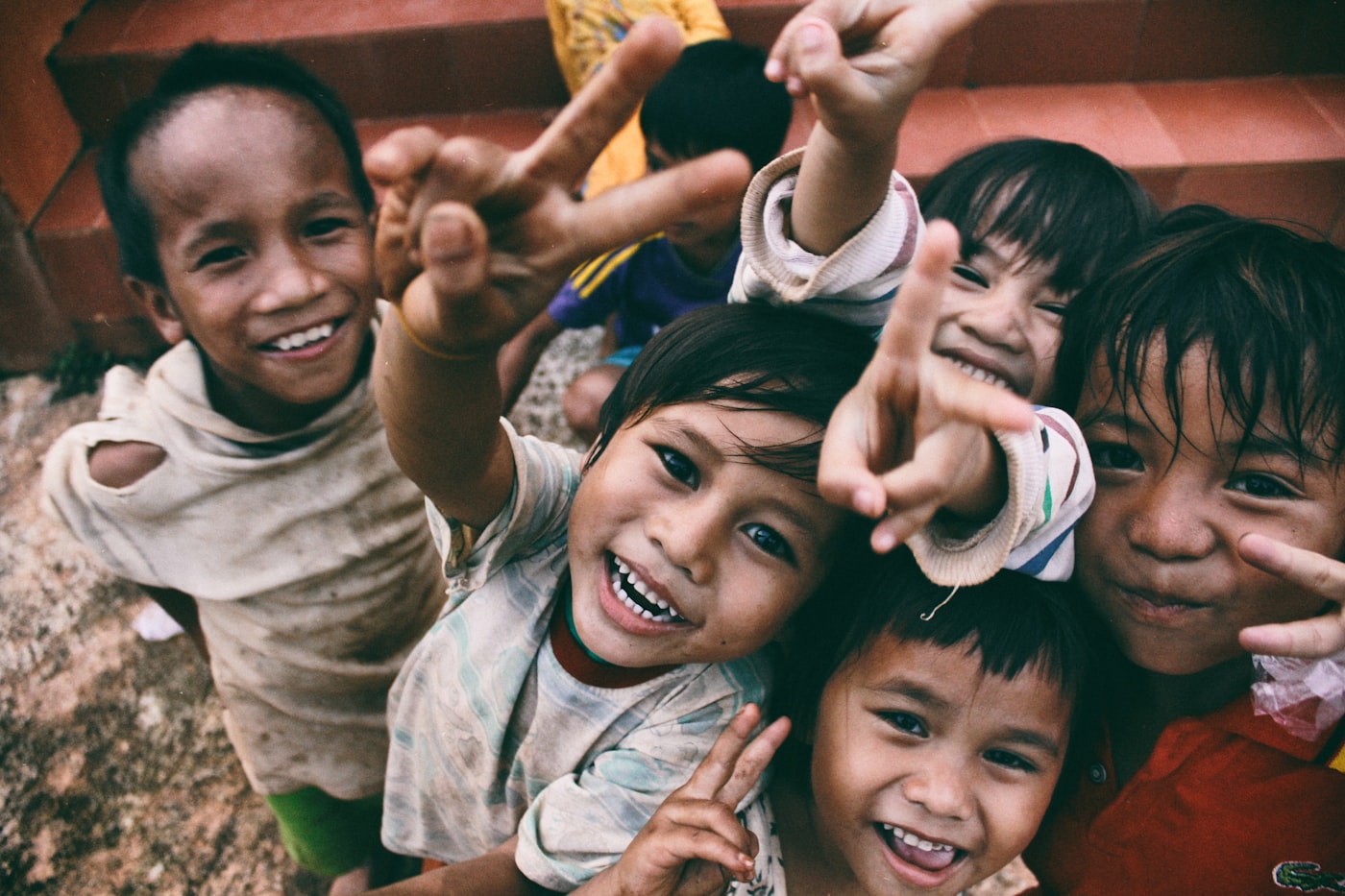
If you’ve told anyone you’re considering homeschooling, you’ve already had this conversation: “But what about socialization?”
It’s the most common worry, and it deserves a real answer rather than a defensive eye-roll. Here’s what the research actually shows, and what experienced homeschooling families do in practice.
What the research actually shows
Three decades of studies — including the most recent peer-reviewed work covered in our latest research roundup — consistently find:
- Homeschooled students who participate in any regular group activity (co-op, sport, faith community, scouts, club, online community) show no socialization deficit compared to schooled peers.
- They tend to interact across a wider age range than their schooled peers — with younger kids, older kids, and adults — which most child development researchers consider a positive for social skill development.
- The kids who do struggle socially are those whose families have isolated themselves. Homeschooling itself isn’t the cause; isolation is.
The corollary: socialization in homeschooling is a parenting decision, not a default outcome.
What socialization actually means
Most people who ask about “socialization” are actually asking about three different things, mashed together:
- Friends — does my kid have peers they care about?
- Social skills — can my kid navigate a conversation, a disagreement, a group?
- Cultural exposure — will my kid encounter people who are different from us?
All three are answerable, and none of them require eight hours a day in a classroom.
25 specific ways homeschooling families socialize
A non-exhaustive list, all currently practised by families in the Vanguard Parents community:
Weekly anchors
- Homeschool co-op (academic + social, once a week is the typical cadence)
- Sports team or club (year-round or seasonal)
- Faith community youth group
- Library reading group or storytime
- Music lessons in a group setting
- Drama / theatre group
- Martial arts class
Less frequent but high-value 8. Park days organised through a local homeschool group 9. Field trips with other families 10. Volunteering (older kids especially) 11. 4-H or scouting equivalents 12. Hobby-based clubs (chess, robotics, model rocketry, art collective)
The everyday, easy-to-miss kind 13. Conversations with shopkeepers, librarians, neighbours 14. Cousins and family friends seen regularly 15. Mixed-age neighbourhood play 16. Older siblings, younger siblings — the under-rated social workout 17. Online communities for older kids (curated and parent-aware)
Travel & immersion 18. Worldschooling trips 19. Cultural exchange or language exchange 20. Summer camps (overnight or day)
The intentional but informal 21. A weekly playdate with one other family 22. Standing dinner with another homeschool family 23. Mentorship — connecting a teen with an adult in their field of interest 24. Shared subjects with another family (one parent teaches science to both kids, another covers art) 25. Forum participation as a teen (in well-moderated communities like ours)
What we recommend
If you’re new to all this and worried — start with one weekly anchor activity per child and a weekly park day. That’s it. You can layer on from there as the year progresses.
Want to start with a community? Join the forum — most regions have active threads listing meetups, co-ops, and groups near you.
Going deeper
- New to homeschooling? Start with our orientation: How to begin homeschooling.
- Wondering which approach fits your family? Try our field guide to choosing a method.
- Researching outcomes? Read our 2026 research roundup.
Got a view on this?
Share your question with other homeschool mothers and fathers, compare approaches, or find families in your area. You can read the forum before creating an account.
Get this kind of thing every Sunday
Practical, current, no fluff — one email a week.
By signing up, you agree to receive the free Vanguard Parents newsletter. Unsubscribe anytime.
Keep reading
Hand-picked next reads from the rest of the site.
Homeschooling statistics 2026 — and why every number you read is wrong
How many families home educate, how fast it is growing, and an honest account of why the headline figures disagree with each other so violently.
GuideHow to organize a homeschool park day
Plan a simple homeschool park day: choose a place, invite moms and dads, confirm the details, and help new families feel welcome. Includes an invitation template.
GuideHow to find — or start — a homeschool co-op
Where local groups actually hide, what to look for before you commit, and a realistic plan for starting one from nothing with three families and a living room.